
Park deals are different. You already know that.
Your buyer loves the home. The price makes sense. Everyone's excited. Then: three weeks before closing: the financing falls apart because nobody applied for park residency approval, or the insurance came back at $4,200 a year, or the lender suddenly decides they "don't do chattel loans in that park."
If you've represented buyers purchasing manufactured homes in California parks, you've probably seen at least one of these scenarios blow up a deal. The frustrating part? Most of these problems are 100% avoidable when you know where the landmines are buried.
This guide walks through the nine most common financing mistakes that kill park deals: and what you can do upfront to keep your transactions on track.
Mistake #1: Treating Income & Employment Verification as “Later”
This is the most common early-stage delay: and it’s totally avoidable.
In park deals, the fastest way to lose weeks is to wait on income and employment documentation. Underwriting can’t do much without verifying:
- Income type (W-2, hourly, self-employed, retirement, etc.)
- Employment status and history
- Any variable pay (overtime, bonus, commissions)
- Current obligations that impact debt-to-income (DTI)
When verification starts late, everything else stacks up behind it (appraisal, conditions, insurance, park paperwork), and the whole escrow starts feeling “suddenly urgent.”
What to do instead: Submit income docs immediately with the loan application and get employment verification moving on day one. Don’t treat “prequal” as “approved.” The closer the file is to a fully-underwritten pre-approval early, the fewer surprises you’ll have later.
Mistake #2: Not Verifying (and Protecting) Down Payment Funds Early
This is a quiet deal killer that shows up at the worst time.
Your buyer can have plenty of money, but the lender still has to verify where it is, how long it’s been there, and that it’s an eligible source (checking/savings, retirement withdrawal rules, gift funds, sale of assets, etc.).
The biggest last-minute problem: buyers moving money around right before closing.
Here’s the rule to hammer home: The funds used for closing must come from the same account the lender verified.
If the lender approved funds in Account A, but the buyer wires from Account B (or transfers funds between accounts days before closing), underwriting can require new statements, paper trails, and explanations. That can trigger delays, re-approval, or even a denial.
What to do instead:
- Pick the “closing funds” account early and keep it stable.
- Avoid last-minute transfers between accounts.
- If money must move, talk to the lender first so the paper trail is planned (not reactive).
Mistake #3: Not Understanding Chattel vs. Mortgage Loans
Most agents assume all manufactured home loans work the same way. They don't.
When a manufactured home sits in a park on leased land, the financing is almost always a chattel loan: a personal property loan, not a traditional mortgage. Chattel loans come with:
- Higher interest rates (typically 1–3% above conventional mortgages)
- Shorter loan terms (15–20 years is common)
- Different underwriting criteria
If you're working with a lender who primarily does traditional residential mortgages, they might not even offer chattel loans. That means your buyer gets prequalified, falls in love with a home, and then finds out the lender can't actually help them.
What to do instead: Make sure your buyer is working with a lender who specializes in manufactured home loans in California. Ask upfront: "Do you regularly close chattel loans in parks?" If the answer is vague, find a different lender.
Mistake #4: Overlooking Park-Specific Lender Requirements
Not all parks are created equal in a lender's eyes.
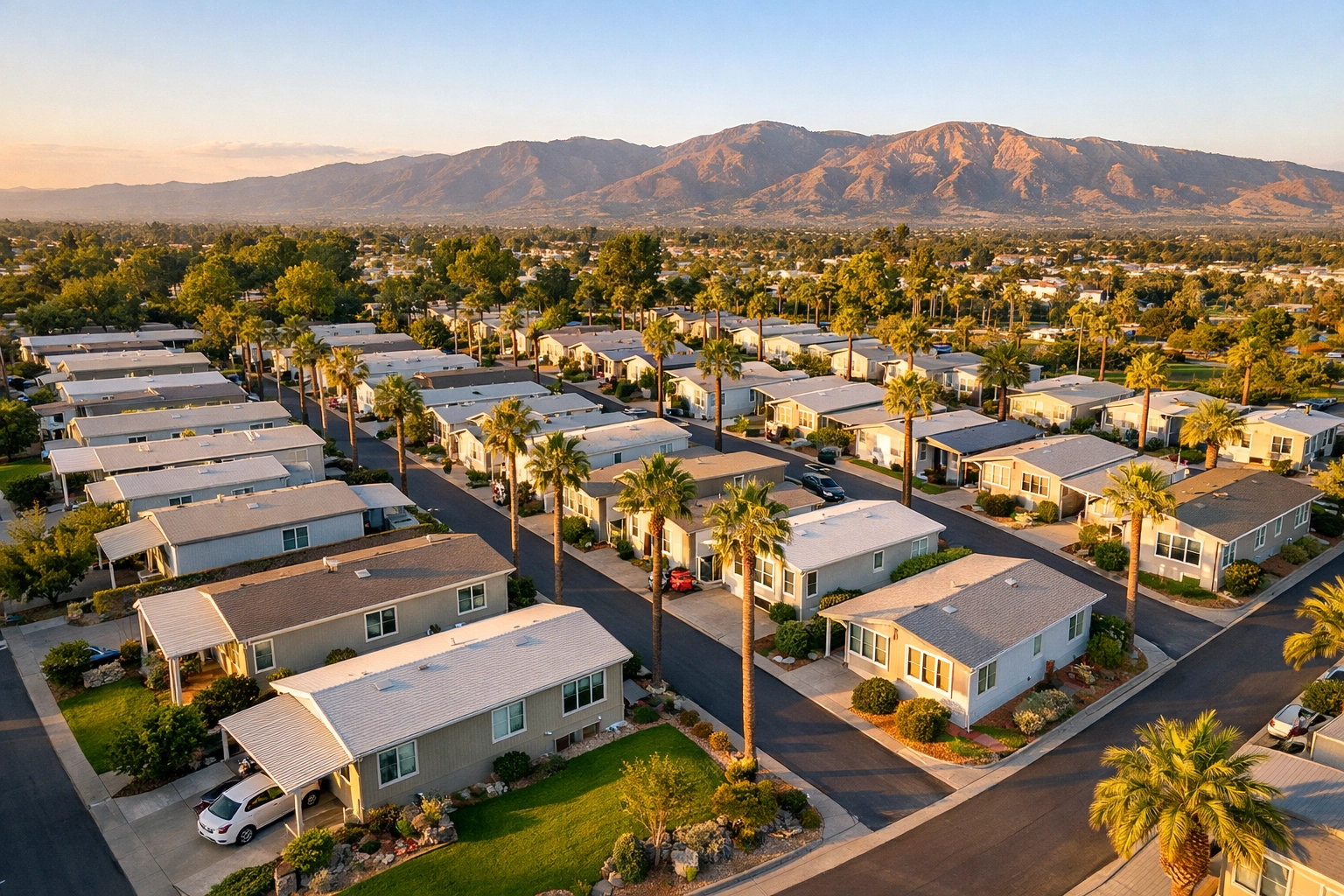
Some lenders won't finance homes in parks with fewer than 50 spaces. Others won't touch parks with a history of rent control disputes or pending litigation. A few refuse to lend in certain counties altogether.
Your buyer might be prequalified based on income and credit, but if the park itself doesn't meet the lender's guidelines, the loan gets denied.
What to do instead: Share the park name and address with the lender during prequalification. A good manufactured home lender will check their approved park list before issuing a preapproval letter. This saves everyone time and avoids the awkward conversation where you have to tell your seller the deal is dead because of a park issue.
Mistake #5: Ignoring the Debt-to-Income Ratio Reality
Lenders typically want to see a debt-to-income (DTI) ratio below 45%. In manufactured home lending, that number matters even more because the loan terms are shorter and the monthly payments can be higher relative to the loan amount.
Here's where agents run into trouble: Your buyer qualifies for a $150,000 conventional mortgage on a site-built home, so you assume they'll qualify for a $150,000 chattel loan on a manufactured home. But the chattel loan has a 7.5% interest rate and a 20-year term instead of a 6% rate and 30-year term. The monthly payment jumps by $400: and now the buyer's DTI is over 50%.
What to do instead: Don't rely on generic prequalification letters. Make sure your buyer's lender is calculating payments based on actual chattel loan terms, property taxes, space rent, HOA fees (if applicable), and insurance. The real monthly cost of owning a manufactured home in a park is higher than most buyers expect.

Mistake #6: Not Accounting for Park Fee Increases in DTI
DTI problems don’t always come from the loan payment.
In parks, the monthly housing number often includes space rent and can include pass-through charges (water/sewer/trash), common-area fees, or other park-billed items. If the park has an upcoming increase (or a pattern of annual increases), the buyer may “qualify” on paper at today’s numbers and then fail underwriting once the lender verifies the real (or soon-to-be real) monthly obligation.
Common ways this shows up:
- The park provides an estoppel that shows a scheduled increase next month
- The rent quoted verbally doesn’t match park documentation
- Utilities/fees billed by the park were not included in the initial DTI
What to do instead: Get the park’s written rent/fees (and any pending increases) early and have the lender underwrite to the documented monthly total. If the payment is tight, it’s better to know that before inspections and appraisal.
Mistake #7: Using a Lender Who Doesn't Specialize in Park Loans
This might be the most expensive mistake on the list.
General mortgage brokers can sometimes find a manufactured home loan for your buyer, but they're working through wholesale channels, third-party investors, and correspondent lenders who don't specialize in this space. That means:
- Slower processing times
- Higher rates
- More paperwork requests
- Less certainty
A lender who focuses on manufactured home financing in California parks knows exactly which underwriters to work with, what documentation is needed, and how to structure the deal so it actually closes.
At Compadre Mortgage, we maintain a 99% approval ratio on manufactured home loans because we only work in this niche. We're not trying to do conventional mortgages, FHA loans, and manufactured homes all at once. We do one thing, and we do it well.
What to do instead: Refer your buyers to a lender who lives and breathes in-park manufactured home financing. You'll close faster, with fewer surprises, and your buyers will thank you.
Mistake #8: Delaying the Park Residency Application
This is the silent deal killer.
Park residency approval isn't a formality. It's a loan condition that needs to happen early: not two days before closing when everyone's scrambling. Many parks take 10–14 days (or longer) to process applications, run background checks, and review financials.
Here's what happens when agents wait:
- The buyer submits their application in week three of a 30-day escrow
- The park finds a collections account or credit issue
- Now your buyer is trying to fix their credit and satisfy the lender at the same time
- Escrow gets extended or cancelled
What to do instead: Get the park application started within 48 hours of an accepted offer. Treat it like you'd treat a home inspection: non-negotiable and early. Some parks charge application fees ($200–$500), but it's worth it to know where you stand before the lender orders the appraisal.

Mistake #9: Waiting Too Long on Insurance (And Not Knowing About CalFair)
Insurance is now the second biggest roadblock in California park deals: and most agents don't see it coming.
California's insurance market has tightened dramatically. Standard carriers are either non-renewing policies in certain ZIP codes or refusing to write new manufactured home policies altogether. That leaves many buyers needing to turn to the California FAIR Plan (CalFair), which is the state's insurer of last resort.
Here's the problem: CalFair policies are more expensive, they have coverage caps, and buyers often need to purchase a separate "difference in conditions" policy to get full protection. If your buyer waits until week three of escrow to find out they need CalFair, you're looking at sticker shock and possible loan denial.
What to do instead: Have your buyer contact an insurance agent who understands manufactured homes before they write an offer. Get a ballpark quote. If CalFair is the only option, your buyer needs to know that upfront so they can adjust their budget accordingly. Some lenders (like Compadre) are very familiar with CalFair and can help structure the loan to accommodate higher insurance costs.
Mistake #10: Missing Critical Documentation Early
Manufactured home transactions require documents that don't exist in traditional home sales:
- HUD certification label (the red tag on the home)
- Title 25 report (shows the home's legal classification)
- Park rules, CC&Rs, and rental agreements
- Space rent history and any pending rent increases
If any of these documents are missing or incorrect, the loan can stall: or worse, get denied after weeks of processing.
What to do instead: Build a checklist for manufactured home deals. Request the HUD tag photos, Title 25, and park documents during your inspection period. Forward them to the lender early. If something's missing, you'll have time to fix it before it becomes a crisis.
Mistake #11: HUD Tag / Data Plate Problems (Or Nobody Verifies Them)
This one is painful because it usually shows up after everyone is emotionally committed.
In many manufactured home files, the lender (and sometimes the appraiser) needs the HUD certification label information and the home’s data plate details to confirm the home’s identity, age, and compliance.
Here’s how deals get stuck:
- HUD tags are missing, painted over, or removed during siding work
- The data plate is missing (often from a cabinet/closet door replacement)
- The serial/label info doesn’t match what’s on title or transfer paperwork
- Nobody collects photos early, so the problem is discovered late
What to do instead: Get clear photos of the HUD tag(s) and the data plate during the inspection period and send them to the lender right away. If something is missing, solve it early (before appraisal and final underwriting).
How Compadre Helps Agents Close Park Deals
We built Compadre Mortgage specifically for transactions like this.
We know that park deals have more moving parts. We know that space rent can change mid-escrow. We know that CalFair insurance just became your buyer's only option. And we know that your commission check depends on deals actually closing: not "almost closing."
Here's how we're different:
- We specialize in California manufactured home loans. No side hustles. No learning curve.
- We verify park eligibility upfront. If we can't lend in that park, we'll tell you on day one.
- We coordinate with park management. Residency applications, rent verification, estoppel certificates: we handle the logistics.
- We understand CalFair. If your buyer needs the California FAIR Plan, we know how to structure the loan so it still works.
Our 99% approval ratio isn't a marketing claim. It's what happens when you only do one thing and you do it extremely well.
Let's Talk Before Your Next Park Deal
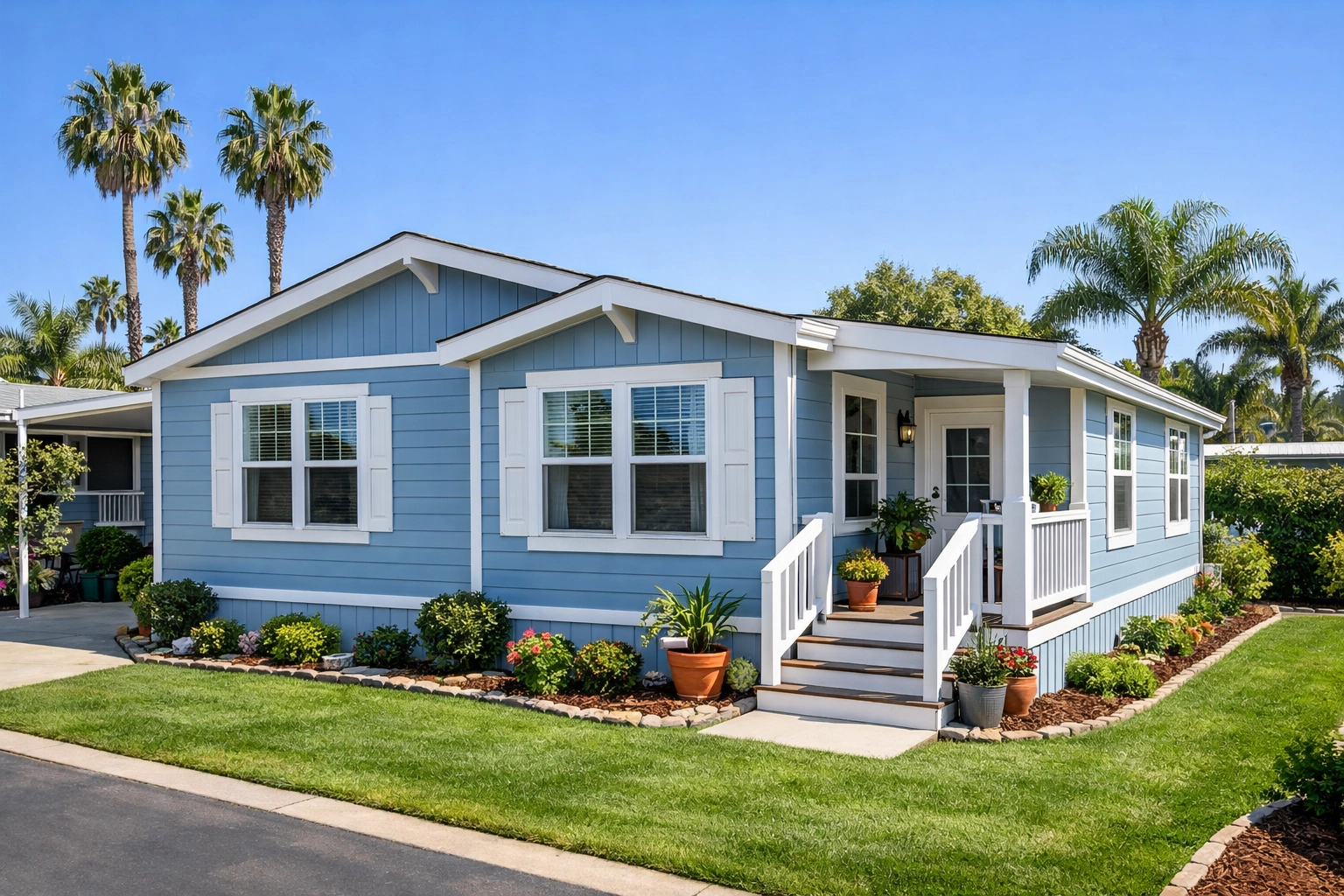
If you're working with a buyer who's interested in a manufactured home in a California park, let's connect before they write an offer. We can review the property, check park eligibility, and give you a realistic timeline and monthly payment estimate.
No surprises. No last-minute scrambling. Just a clear path to closing.
Ready to avoid these seven mistakes on your next deal? Visit cbmloans.com or reach out directly to discuss a specific scenario. We're here to make your park transactions smooth, predictable, and profitable.
Comments are closed